Moscow schoolchildren and college students returned from the Great Arctic Expedition
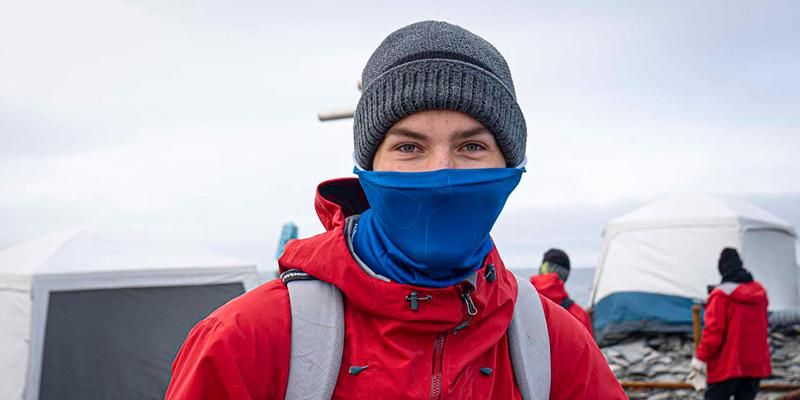
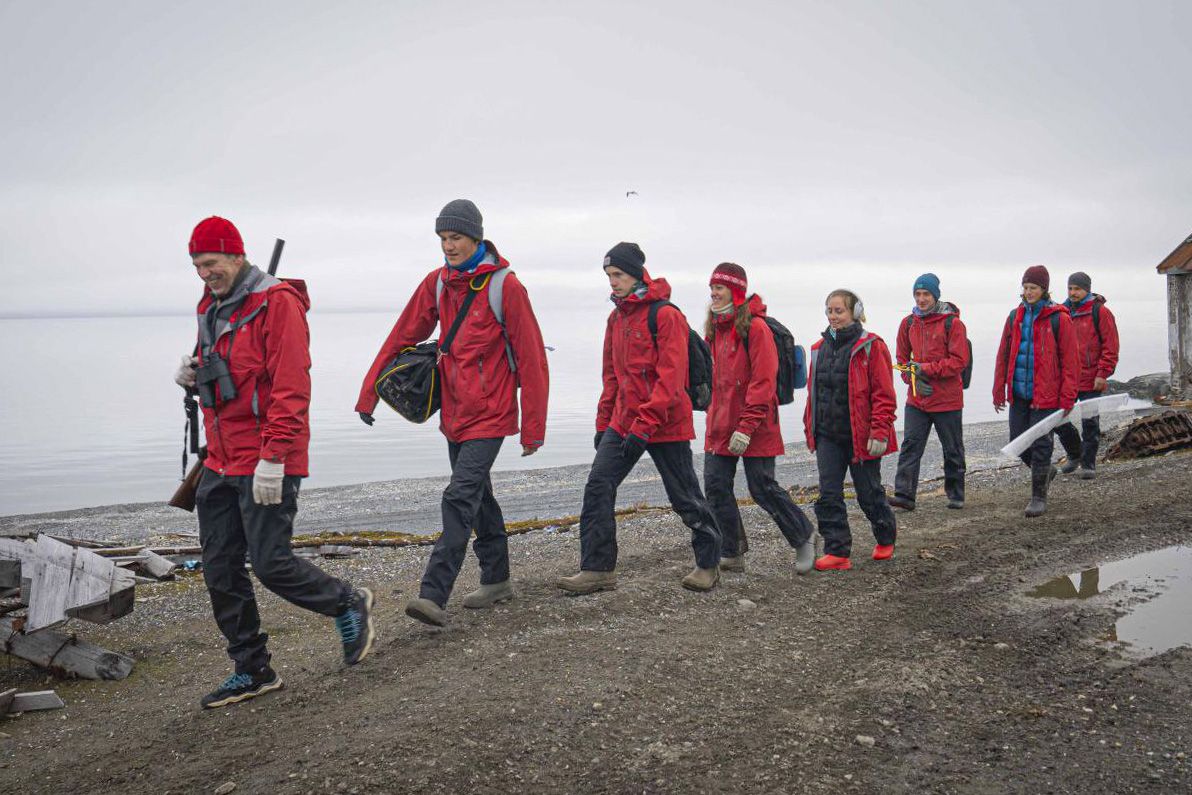
14 schoolchildren and college students from Moscow returned from a two-week expedition to the Arctic. They performed research on behalf of the leading Russian scientific institutes and reconstructed the memorial complex at Cape Chelyuskin dedicated to polar explorers. The news was reported by Anastasia Rakova, Deputy Mayor of Moscow for Social Development.
“The annual Great Arctic Expedition has come to an end. The guys who investigated the flora and fauna of the Laptev Sea coast managed to take 113 samples of mosses, lichens, water and air. In total, the young travelers covered more than 100 kilometers. This year the expedition also fully restored one stele of the memorial complex to Soviet polar explorers, and collected material from the rest ones, which will be further studied and a plan for the final renovation will be developed. In addition, the expedition group ran the world’s first marathon around Cape Chelyuskin in relay race format,” said Anastasia Rakova.
Young researchers studied the unique flora and fauna of the Arctic: walruses, beluga whales, seals, birds, mosses, lichens and algae. To collect data, they engaged in route observations, photographed their finds, recorded coordinates, and analyzed tracks. They will soon transfer the obtained materials to the electronic databases of the projects “Flora of Russia”, “Mammals of Russia” and “Birds of Russia”. Thus, during this year’s Great Arctic Expedition, the participants made 264 observations and identified 131 species of living organisms, including three species of insects, nine species of mammals, 12 species of birds, 58 species of plants, as well as 44 species of fungi and lichens.
The research was commissioned by A.N. Severtsov Institute for Problems of Ecology and Evolution of the Russian Academy of Sciences (RAS), the Teriological Society of the RAS, V.L. Komarov Botanical Institute of the RAS, the Zoological Museum of M.V. Lomonosov Moscow State University (MSU), V.N. Orekhovich Research Institute of Biomedical Chemistry, the Joint Institute for Nuclear Research, and the Center for Marine Research of M.V. Lomonosov Moscow State University (MSU), and A.M.Obukhov Institute of Atmospheric Physics of the RAS.
“This journey was just incredible. The beauty of the tundra that opened before us cannot be compared to anything. The flora and fauna data we have studied will soon go to the labs and will be of great use. And of course, the guys with whom we traveled kilometers—they are just incredible,” said Maria Kazakova, a participant of the Great Arctic Expedition (Explorers group).
In addition to research work, young Muscovites were engaged in the construction of a memorial to Soviet polar explorers. This action was one of the numerous events timed to the 80th anniversary of the victory in the Great Patriotic War.
“Here is the end of our time at Cape Chelyuskin, but the business we have embarked upon is just beginning. In addition to our squad’s global goal of restoring the memorial, everyone was able to accomplish their personal goals. For example, I was able to launch a weather probe and find gold pyrite,“ said Kirill Fedotkin, a participant of the Great Arctic Expedition (Guardians of History).
The participants of the expedition were selected after four tests: Arctic Dictation, the adventure game “Heroes of the Arctic”, professional skills competitions and training camps in Karelia, where they overcame a 60-kilometer route.
Ilya Maslenkin, a student of Moscow Educational Complex “West”, as well as students Ekaterina Gulid from Food College No. 33, Sofia Taranenko from Ivan Fedorov Moscow Publishing and Printing College, Ksenia Greb from College of Modern Technologies named after Hero of the Soviet Union M.F. Panov, Ekaterina Egorshina from College of Architecture, Design and Reengineering No. 26, Polina Pavlova from Medical College No. 1 took part in the expedition.
Among schoolchildren, Mikhail Krasavin (School No. 57), Ivan Krivashin (School No. 1253), Sergey Bakharev (School No. 171), Mikhail Sorokin (School No. 1576), Kirill Fedotkin (School No. 2054), Lev Spiridonov (Pokrovsky Quarter School), Maria Kazakova (School No. 2073) and Vladimir Kulakov (School No. 1577) participated in the trip.
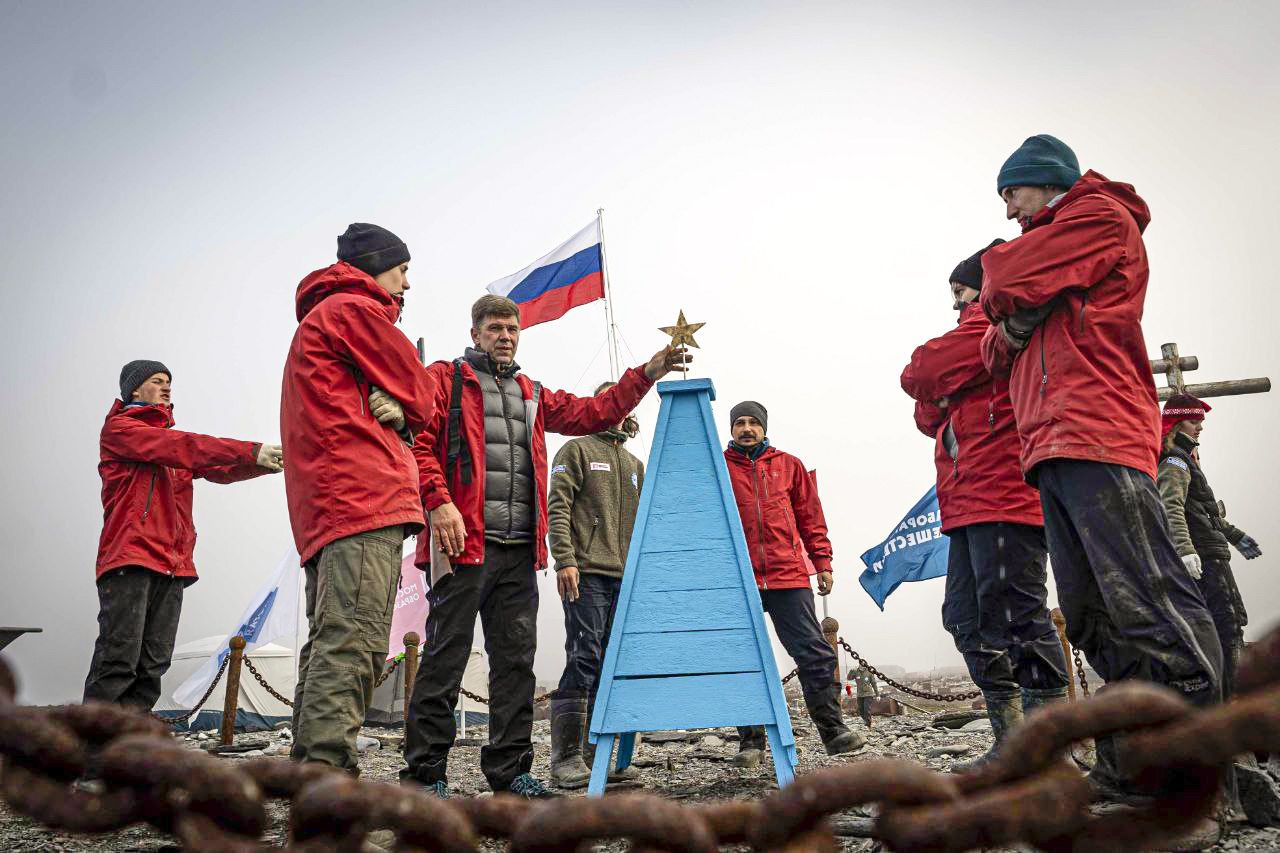
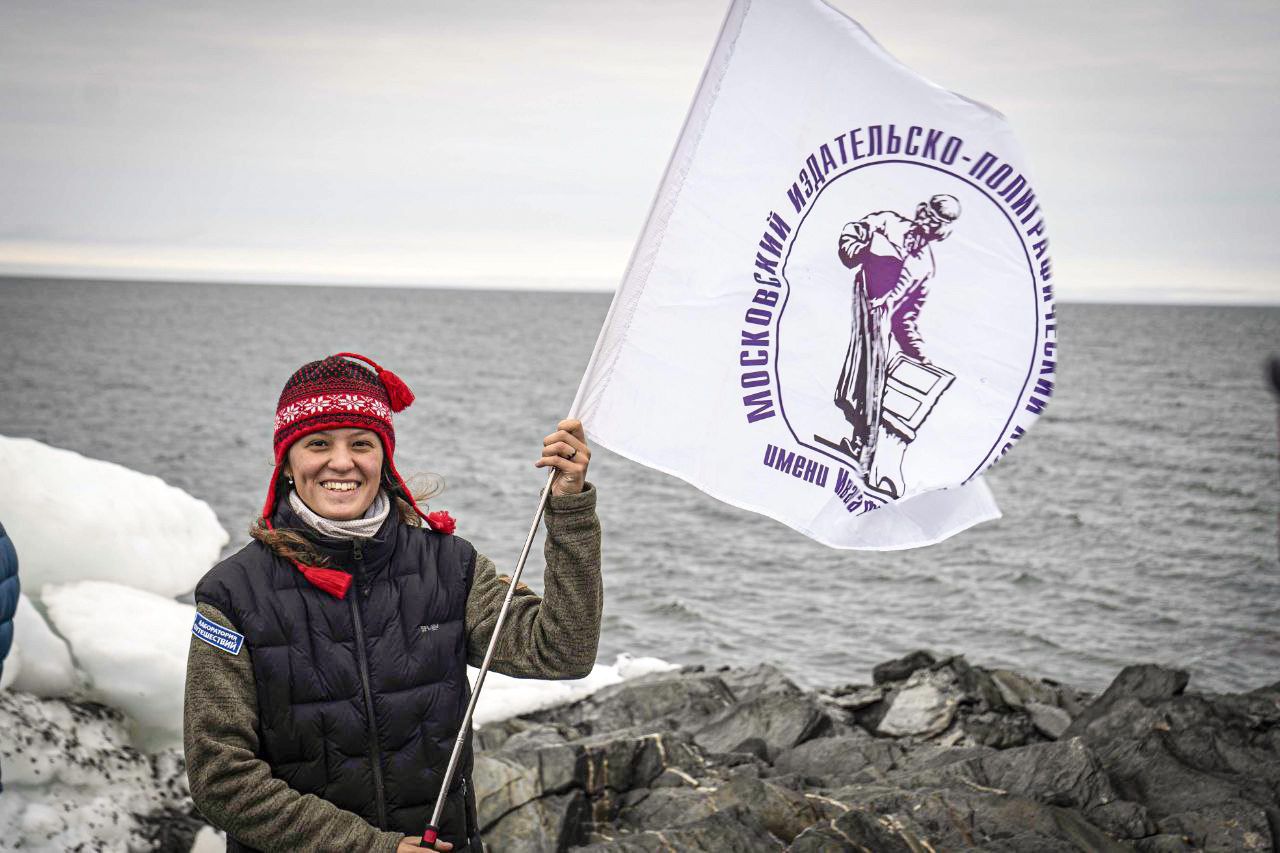
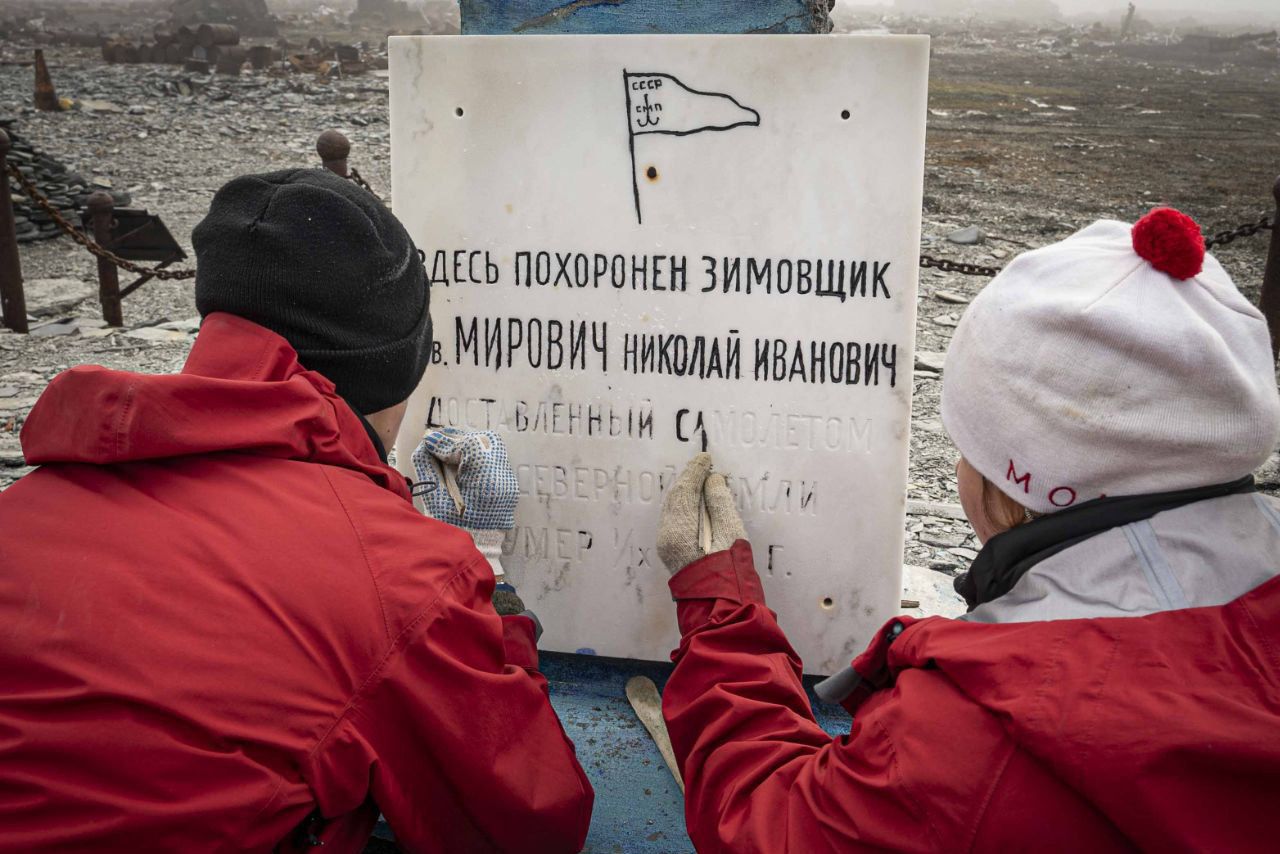
The capital’s Department of Education and Science has been organizing the Great Arctic Expedition since 2018. In 2024, a team of schoolchildren repeated the routes of Eduard Toll, the leader of the Russian polar expedition at the beginning of the twentieth century, and Soviet scientist Ivan Papanin, while college students built a mobile station at Cape Chelyuskin.
About 80,000 school and college students are engaged in tourism in the capital—every 20th pupil. The city’s special project, Route Created, is in place to support them. Over the last year the guys have made almost 300 tourist trips across Russia and other countries. Among the destinations are Kazbek, Tien-Shan, North Ossetia, Altai, Kamchatka and others.